


What happens when a raccoon is already inside your wall?
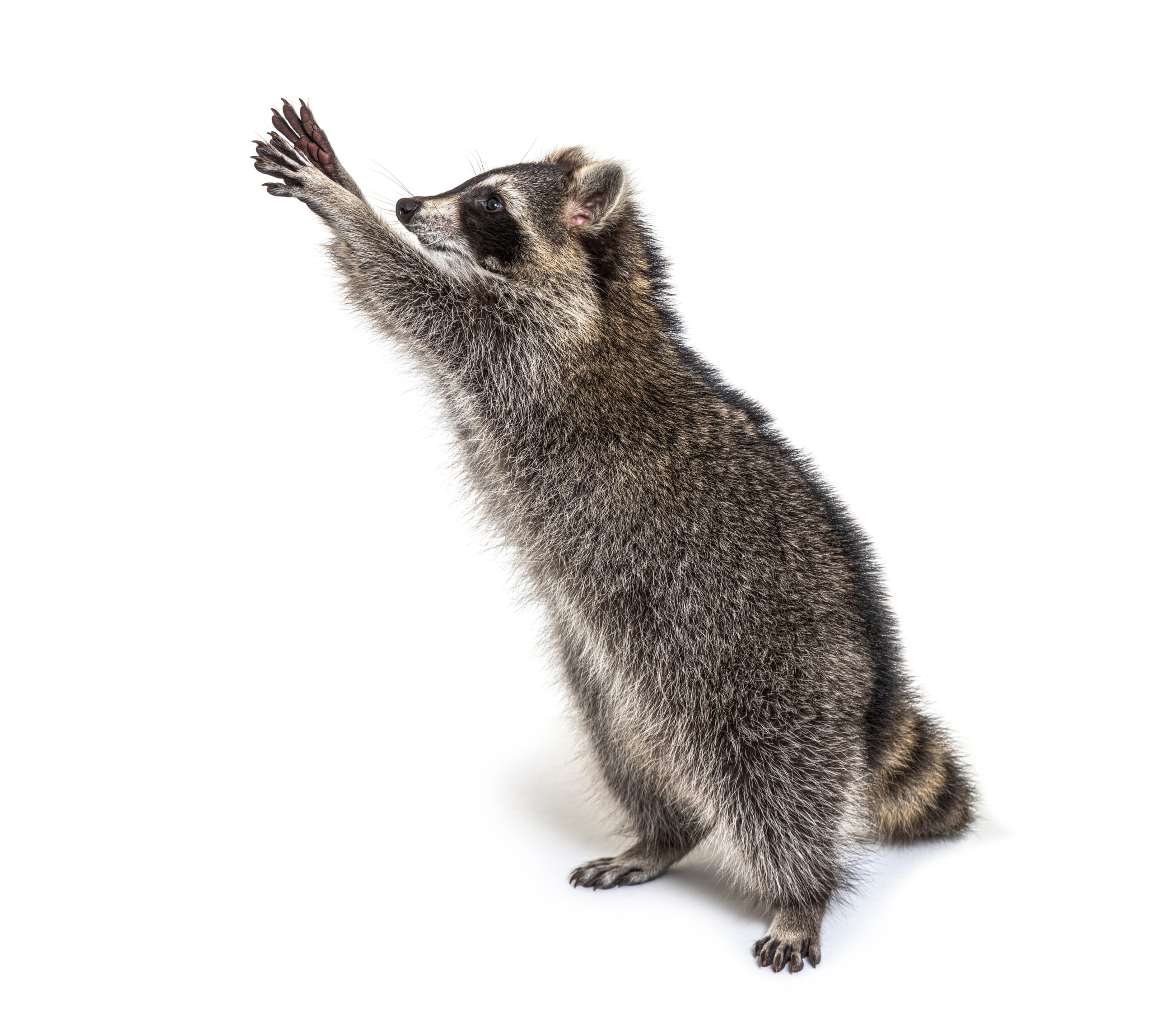
A raccoon inside a wall is typically a mother with babies (kits) that has entered through a weak exterior point such as a damaged vent cap. Once inside, the animal nests in a warm, enclosed space where the babies remain hidden and immobile for several weeks. At this stage, removal cannot rely on simple exclusion because the babies cannot exit on their own.
A controlled process is required: precisely locate the animals, remove them safely, and seal every potential entry point to prevent re-entry.
The real scenario:
how the raccoon entered the wall?
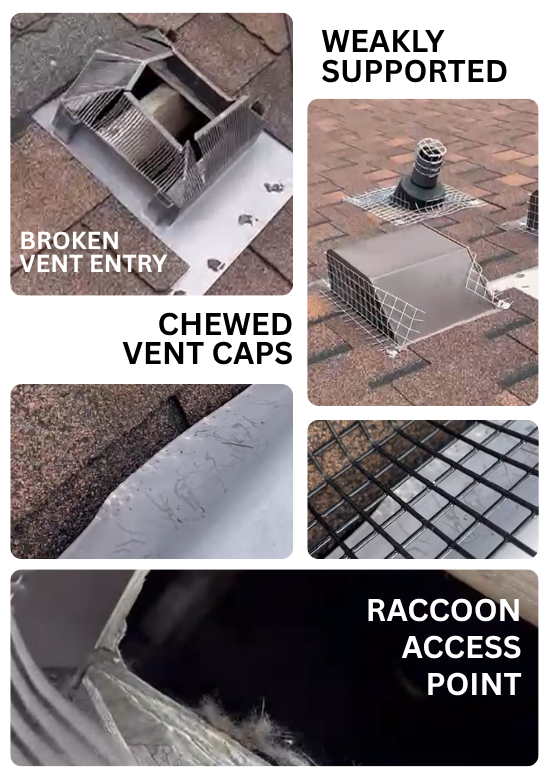
A homeowner contacted Icon Pest after hearing activity inside a wall cavity. The inspection revealed a clear and predictable pattern of entry behaviour.
- Multiple vent caps showed chew marks, indicating repeated testing of access points
- One vent cap had been fully broken, creating a direct opening into the structure
- Previously installed covers were present but lacked proper reinforcement
- The raccoon identified the weakest point and gained access to the wall cavity
Raccoons do not rely on chance. They systematically test vulnerable areas around vents, soffits, and rooflines until a failure point is found. A single poorly secured or improperly installed vent cap is enough to allow full entry into the home.
What happens if raccoons are left inside the wall?
Allowing raccoons to remain inside a wall cavity leads to rapid escalation. What starts as a hidden issue can quickly turn into structural damage, health risks, and significantly higher repair costs.
Continuous structural damage
Raccoons chew wood, insulation, and venting materials to expand their nesting space. Entry points become larger and new ones may be created.
Persistent noise and disturbance

Odor and contamination

Increased repair complexity

Repeat intrusion cycles
What a proper Raccoon inspection actually involves
Homeowners often notice the symptom—noise inside the wall—but the root cause is almost always located on the exterior. A complete inspection must identify both the active entry point and every potential vulnerability that could be used next.
Full exterior assessment
Every vent cap, roofline, soffit, and opening is examined for structural weakness and access potential.
Early-stage damage detection
Chew marks, loosened fittings, and minor gaps are identified before they become primary entry points.
Interior verification
Wall cavities and attic spaces are assessed to confirm active wildlife presence and movement.
Failure analysis of past repairs
Previous fixes are reviewed to determine why they failed under pressure or repeated attempts.
Mapping of secondary entry points
All alternative access points are identified and documented to prevent future intrusion.
How Icon Pest approached this removal
Icon Pest handled this case using a structured, step-based process designed to remove the raccoon family while protecting the home.
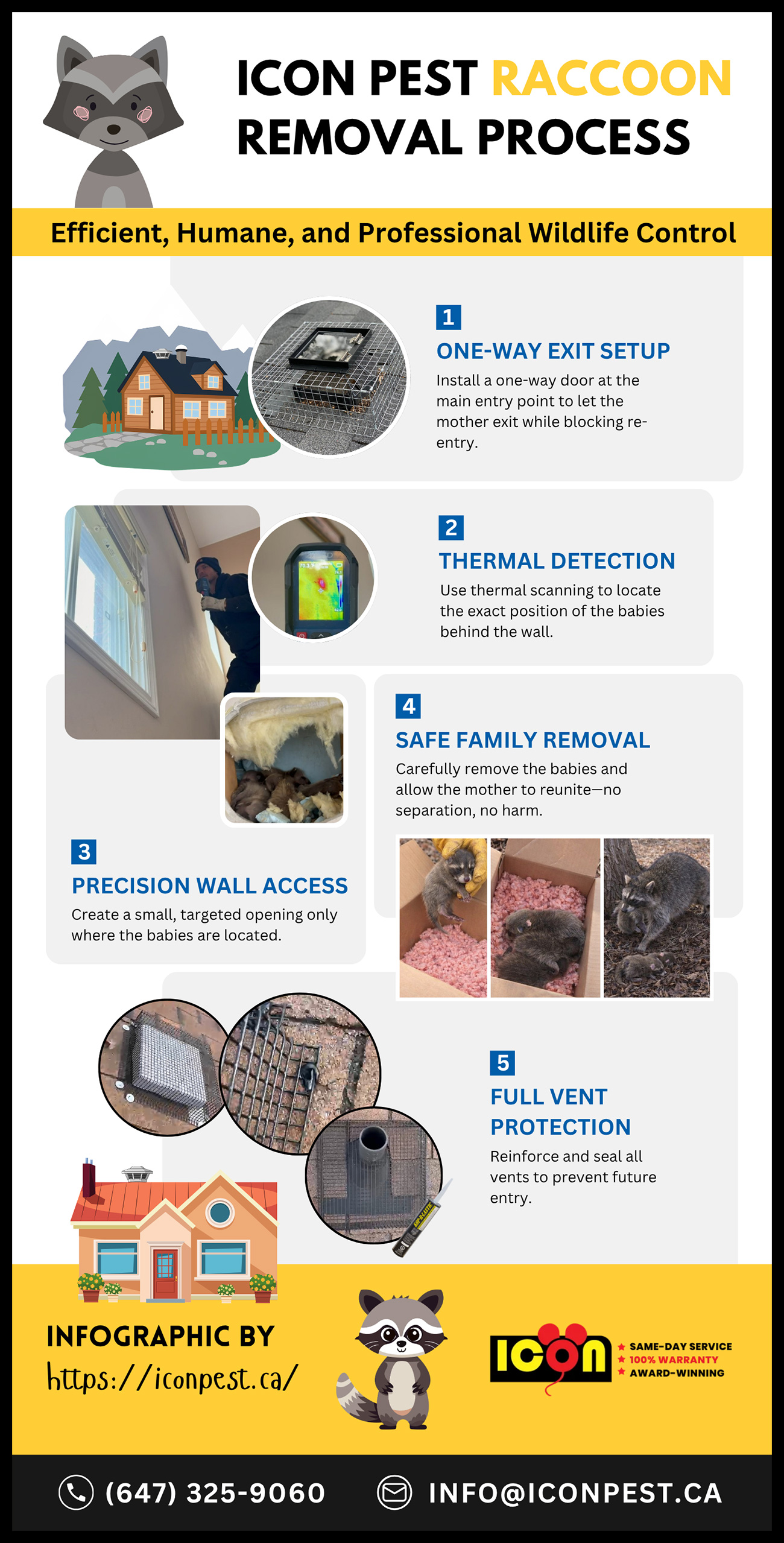
Step 1: Controlled exclusion using a one-way door
A one-way door is installed at the primary entry point to create a controlled exit path for the adult raccoon. This device allows the mother to leave the structure naturally while preventing her from re-entering.
Icon Pest positions the door based on confirmed access points to ensure the animal exits through a single, monitored location rather than creating new openings elsewhere.
A one-way door alone does not resolve the situation when babies remain inside the structure.
The mother will continue attempting to re-enter, often causing additional damage if access is not managed alongside proper interior intervention.
Step 2: Locating the babies using thermal scanning
The exact position of the babies inside the wall is identified using a thermal scanner that detects subtle heat variations behind drywall and insulation.
Icon Pest uses this technology to convert heat signatures into a clearly defined target area on the wall surface before any opening is made.
This step is critical because:
- Guesswork leads to unnecessary wall damage and extended repairs
- Accurate detection allows for a controlled, minimal cut at the correct location
- It reduces the exposure time of the wall cavity during the process
Thermal scanning ensures access is precise, controlled, and limited strictly to where intervention is required.
Step 3: Targeted drywall access (minimal cut)
When raccoon babies are inside a wall cavity, they cannot exit on their own. Relying only on a one-way door would leave them trapped, leading to noise, odor issues, and potential mortality inside the structure.
A controlled drywall opening becomes necessary to resolve the problem properly.
Icon Pest uses precise location methods to avoid unnecessary damage before any cut is made:
- Thermal scanning is used to identify the exact position of the babies inside the wall
- A small, targeted opening is created only at that confirmed location
- No exploratory or large-scale wall removal is performed
- The structural integrity of the surrounding area remains intact
This approach is critical for two reasons:
- It allows safe and immediate removal of the babies, preventing prolonged infestation issues
- It avoids widespread wall damage that would require extensive repair and finishing
Once access is created, the babies are carefully removed and the area can be restored with minimal cosmetic impact.
Step 4: Safe and humane handling
Icon Pest follows structured wildlife handling protocols to ensure the entire family unit is managed correctly:
- Babies are carefully located, collected, and handled without stress or injury
- The mother is guided out using exclusion methods and allowed to reunite with her young
- No separation occurs during the process, maintaining natural dependency and survival chances
- Relocation is completed in a suitable outdoor environment where the family can continue naturally
Handling raccoons with young requires timing, precision, and experience. Improper removal can lead to abandonment, noise issues, or repeated intrusion attempts. A controlled approach ensures the issue is resolved without creating new problems.
Step 5: Full vent protection and sealing
Once the animals are removed, long-term prevention becomes the priority. Entry points are rarely isolated, and raccoons often return to test the same areas again.
Icon Pest secures the entire system, not just the visibly damaged opening.
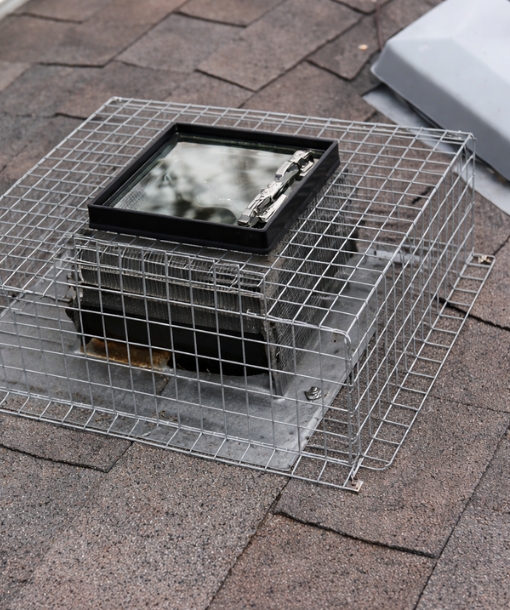
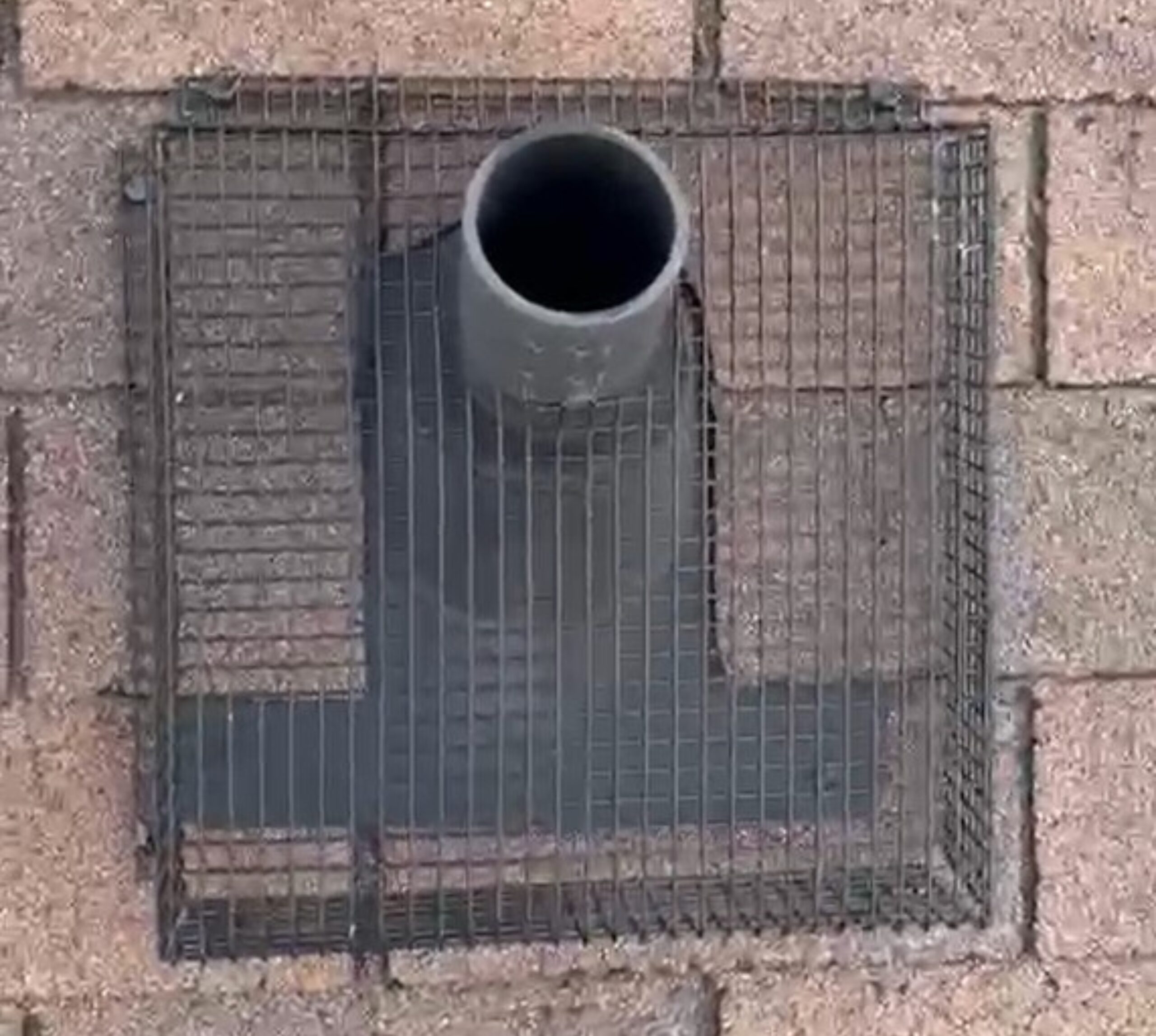
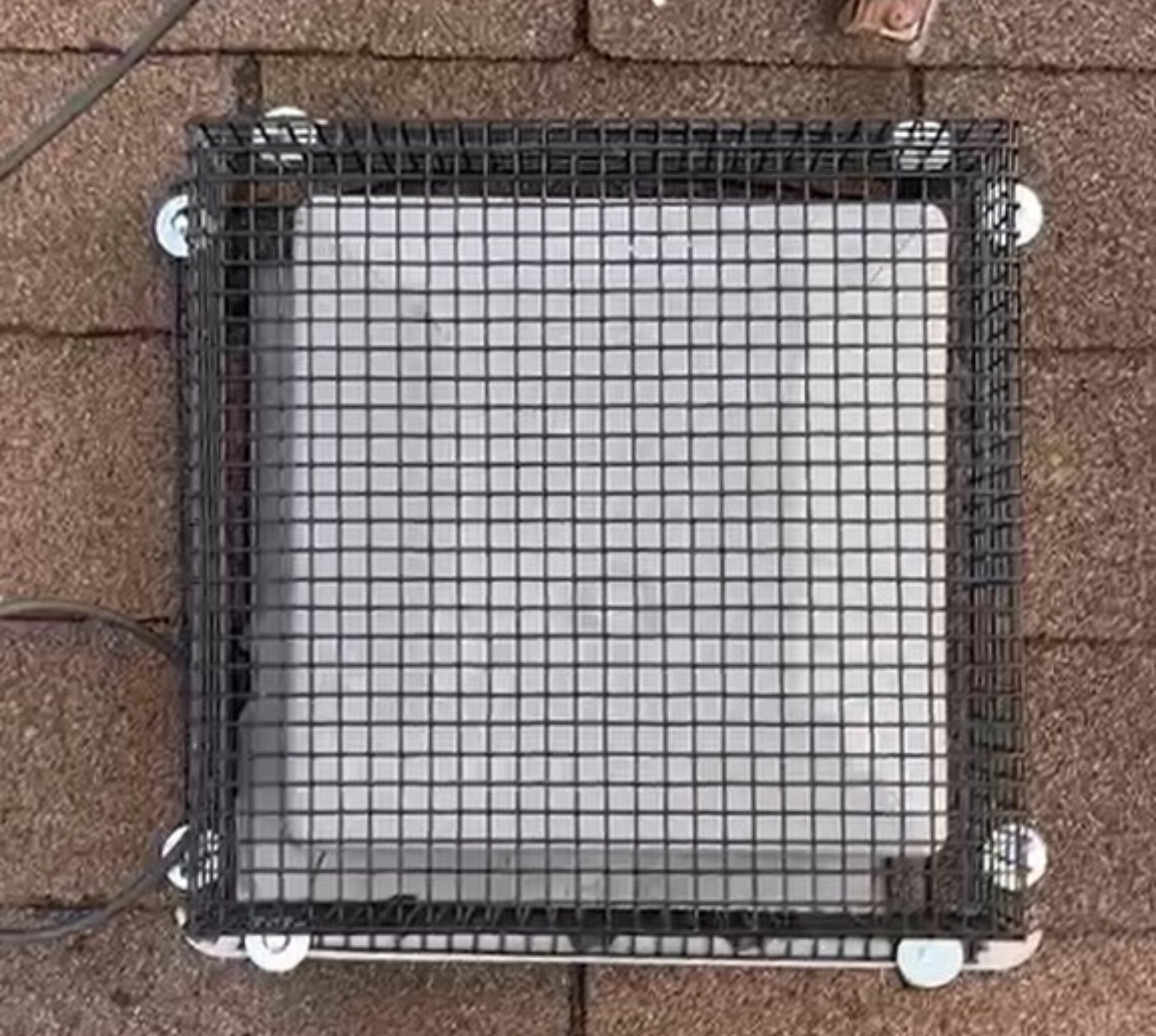
All vent caps are reinforced using a consistent installation standard:
- New protective covers are installed with exact sizing to eliminate gaps and pressure points
- Each cap is aligned straight and level to ensure a tight, flush fit against the surface
- Fastening is completed using durable hardware designed to withstand force and repeated stress
- Every screw is sealed from both the top and bottom using black waterproof sealing to prevent moisture intrusion
Raccoons remember access points and often return to previously tested areas. Securing all vents as a system removes those opportunities and significantly reduces the risk of re-entry.

Our Affordable and efficient raccoon removal
Icon Pest uses a controlled, step-based approach—installing one-way doors at confirmed entry points, locating the babies before any access is made, and securing all vents properly after removal. Each step is planned to avoid unnecessary damage, repeat visits, and wasted work.
This method keeps the process efficient, reduces overall cost, and delivers a complete, long-term solution.
Why minimal damage is not automatic
Minimal damage is determined by execution, not by the situation itself.
When animals are located precisely before any opening is made, access can be limited to a small, controlled area. Without that step, exploratory cuts increase wall damage and repair scope.
Icon Pest follows a controlled access approach designed to limit disruption at every stage.
How damage is minimized
Only a small, precisely defined section of drywall is opened—limited strictly to the confirmed location of the animals.
The role of materials and installation quality
What makes the difference:
Correct sizing
Clean, accurate fit
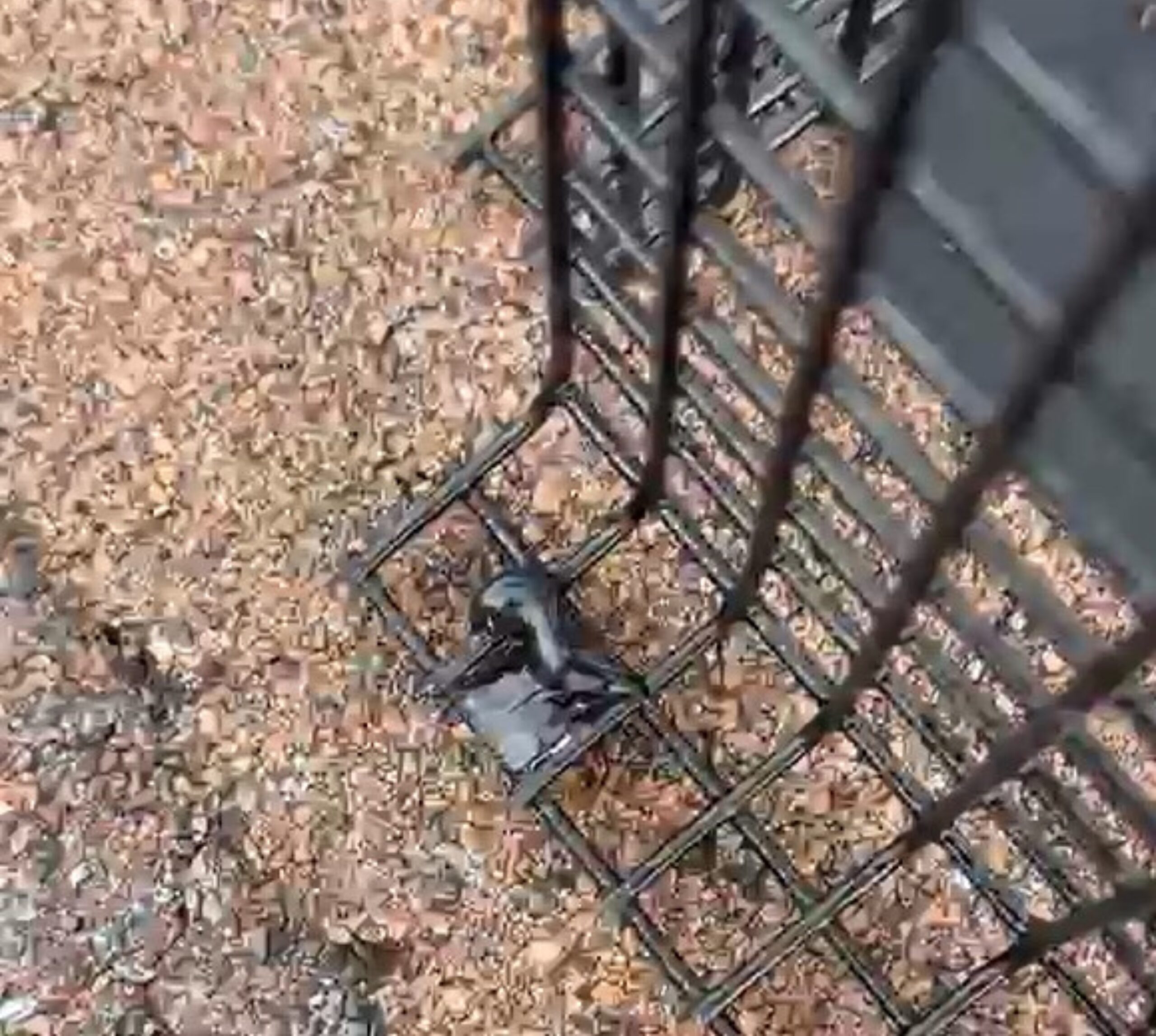
Proper sealing
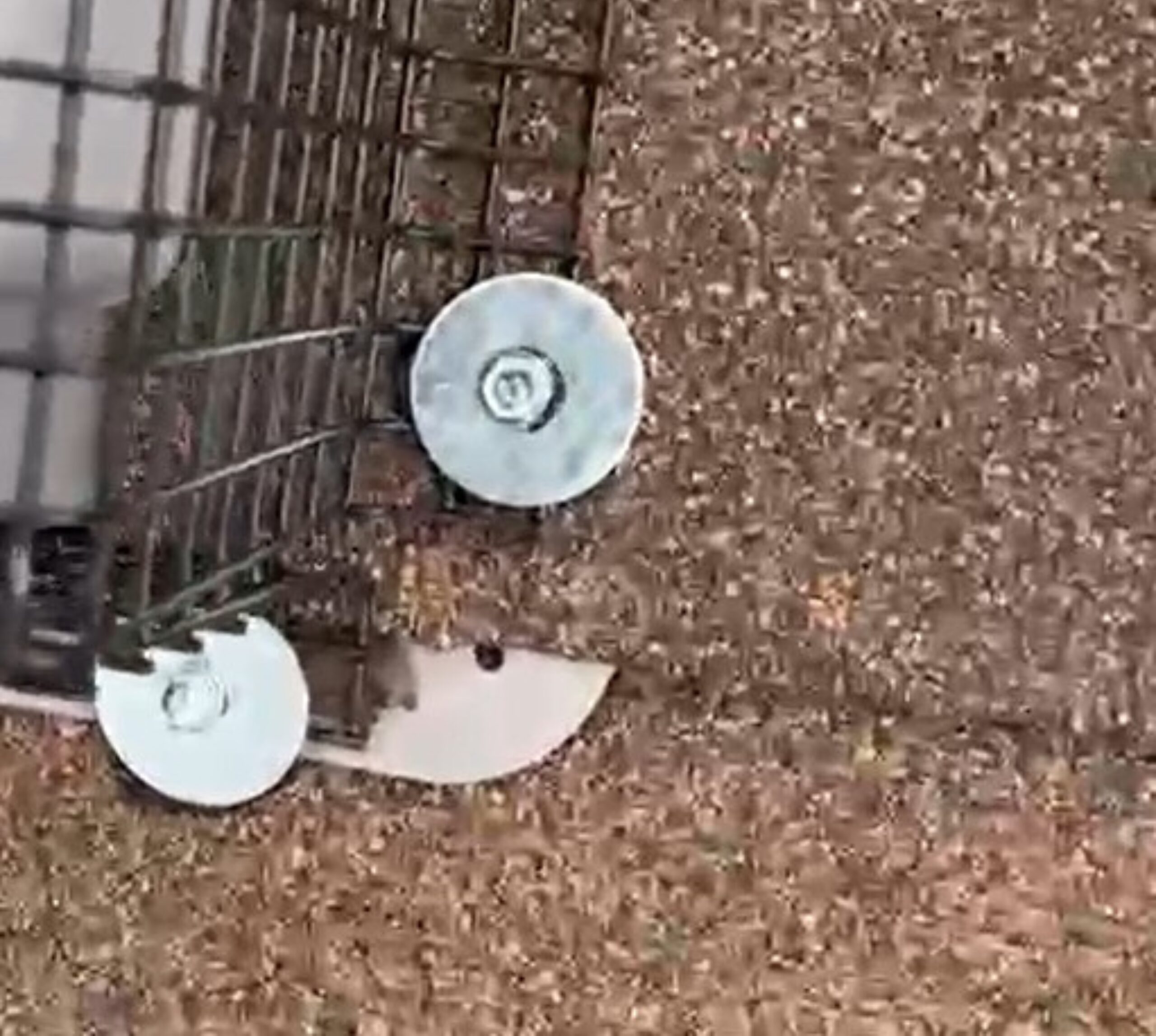
Secure fastening
LIMITED TIME
10% Off for First-Time Customers
When this applies — and when it doesn’t
- Detached and semi-detached homes
- Properties with multiple exterior vent openings
- Older installations where vent covers are worn, loose, or misaligned
This type of entry is less common in:
- High-rise condominiums
- Buildings without accessible rooflines or vent systems
Critical risks in wall-contained raccoon removal
Wildlife removal inside wall cavities is not a simple extraction. It requires controlled execution to avoid escalation, structural damage, and incomplete resolution.
Key risks include:
Separating the mother from her young
Removing the adult without locating the babies leaves them trapped inside the wall, leading to noise, odor, and eventual decomposition.
Improper or partial sealing
If entry points are not fully secured, raccoons will force access through new areas, often causing additional damage to vents, soffits, or roofing.
Uncontrolled wall opening
Cutting without precise location increases drywall damage, disrupts insulation, and raises repair costs significantly.
DIY or unstructured attempts
Without proper tools and strategy, attempts to resolve the issue often expand the problem rather than eliminate it.
What to Expect
Precise removal, minimal damage, and complete prevention — handled as a single controlled process.
Step-by-Step Raccoon Removal & Vent Repair
What homeowners often miss in wall-entry raccoon infestations
Common patterns include:
- Previous repairs focus on a single opening instead of securing all exposed areas
- Weak or improperly installed covers fail under repeated pressure
- The presence of babies introduces timing constraints and requires a different removal approach
Areas We Serve
Locate the closest raccoon removal services near you
Need a professional inspection?
Icon Pest provides wildlife removal services across Toronto and the GTA, including same-day and emergency support for urgent situations. If a raccoon is already inside a wall, early inspection reduces both damage and complexity.
